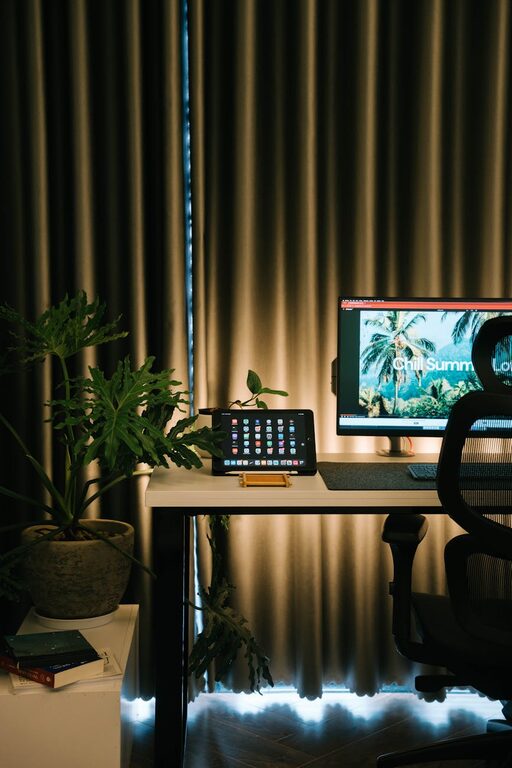

Creating a comfortable and inviting home workspace can make a big difference in your day-to-day productivity and overall well-being. Whether you work remotely full-time or just need a dedicated spot to handle personal tasks, making your workspace cozy helps reduce stress and keep you motivated. Here are some practical tips to help you design a home workspace that feels just right.
Choose the Right Location
Start by selecting a quiet corner or room with minimal distractions. Ideally, pick a spot with natural light, as it can improve your mood and focus. If you’re short on space, a small nook or a section of your living room can work well, as long as it feels separate from high-traffic areas.
Consider Lighting
Good lighting is essential. Natural daylight is the best choice, so position your desk near a window if possible. For evening work or darker rooms, invest in adjustable desk lamps or overhead lighting that mimics daylight without straining your eyes.
Invest in Comfortable and Functional Furniture
Your furniture plays a crucial role in creating a cozy workspace.
– Ergonomic Chair: Choose a chair that supports your posture for long periods. It should be adjustable and comfortable to prevent back or neck pain.
– Desk: Pick a desk size that fits your needs without overcrowding the space. Standing desks or adjustable desks are great options to switch positions throughout the day.
– Storage: Include shelves, drawers, or organizers to keep your desk clutter-free. A tidy space helps your mind stay focused.
Add Personal Touches
Personalizing your workspace makes it more inviting and encourages you to spend time there.
– Decor: Frame a few photos, add some artwork, or hang inspirational quotes.
– Plants: Adding greenery boosts mood and helps purify the air.
– Textiles: A soft rug or a cozy throw can warm up a cold floor and add texture.
Organize for Efficiency
Clutter can make any space feel stressful. Keep your workspace organized by following these tips:
– Use cable management solutions to keep cords neat.
– Designate areas for supplies like pens, notebooks, and chargers.
– Use labeled folders or digital tools to keep track of documents and deadlines.
Manage Noise and Distractions
To keep your workspace inviting, try to minimize distractions:
– Use noise-cancelling headphones if you live in a noisy environment.
– Consider soundproofing options like rugs or curtains that soften noise.
– Set boundaries with family members or roommates to respect your work time.
Maintain Comfortable Temperature and Air Quality
A space that is too hot, cold, or stuffy can be hard to work in.
– Keep a fan or heater nearby to adjust the temperature.
– Open a window regularly for fresh air, or use an air purifier.
– Avoid placing your desk too close to heating vents or drafty windows.
Incorporate Break Spots
If space allows, create a spot near your workspace where you can take short breaks. A comfortable chair or a small seating area invites you to step away from the screen, stretch, or enjoy a cup of tea. This practice helps maintain productivity and reduces burnout.
Keep Technology User-Friendly
Make sure your technology supports your work smoothly.
– Use a monitor stand to position your screen at eye level.
– Invest in a quality keyboard and mouse for comfort.
– Ensure your internet connection is reliable and fast.
Lighting the Mood
Besides functional lighting, consider softer ambient light options like string lights or desk lamps with warm bulbs. These lighting choices add warmth and can help you feel more relaxed during long work sessions.
Regularly Refresh Your Space
Lastly, keep your workspace feeling fresh by occasionally rearranging elements, adding new decorations, or clearing out unused items. This helps maintain a positive, inspiring environment that keeps you engaged.
—
By applying these tips, you can transform any area in your home into a cozy, organized, and inviting workspace. A well-designed space supports focus, creativity, and comfort, making your work-from-home experience both enjoyable and effective.
About the Author