Creating a home office that feels cozy yet boosts your productivity is essential for anyone balancing work and home life. A well-designed workspace can improve focus, reduce stress, and make your workday more enjoyable. Whether you’re working remotely full-time, freelancing, or just need a quiet spot for occasional tasks, these tips will help you design a home office space that supports your workflow and comfort.
Choose the Right Location
Selecting a suitable spot for your home office is the first step. Ideally, pick a space with minimal distractions and enough room to accommodate your work essentials comfortably.
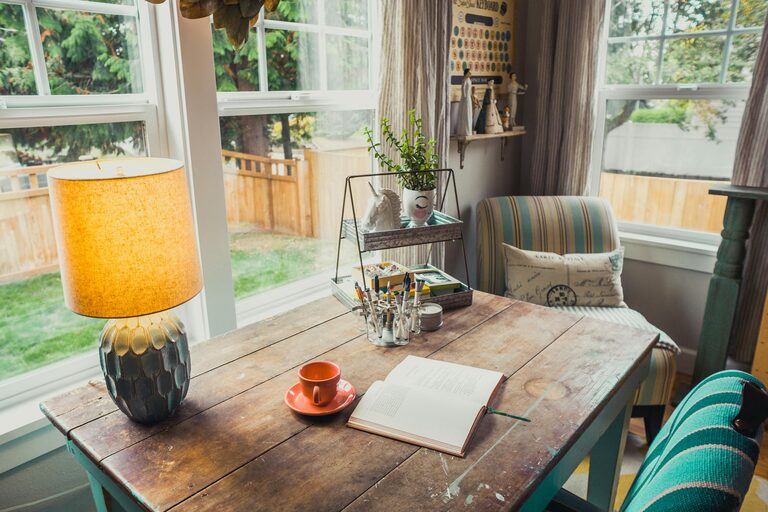
– Natural light: A location near a window can brighten your space and boost your mood and energy.
– Quiet zone: Avoid high-traffic areas where noise and interruptions are frequent.
– Ventilation: Good air circulation can help keep you alert and comfortable.
Invest in Comfortable and Functional Furniture
Your furniture choices have a huge impact on both comfort and productivity.
– Ergonomic chair: Look for a chair that supports your back, encourages good posture, and has adjustable height.
– Desk size: Choose a desk large enough for your computer, paperwork, and other tools but not so big it feels cluttered.
– Storage options: Incorporate shelves, drawers, or filing cabinets to keep supplies organized and your desk clear.
Personalize Your Space with Cozy Elements
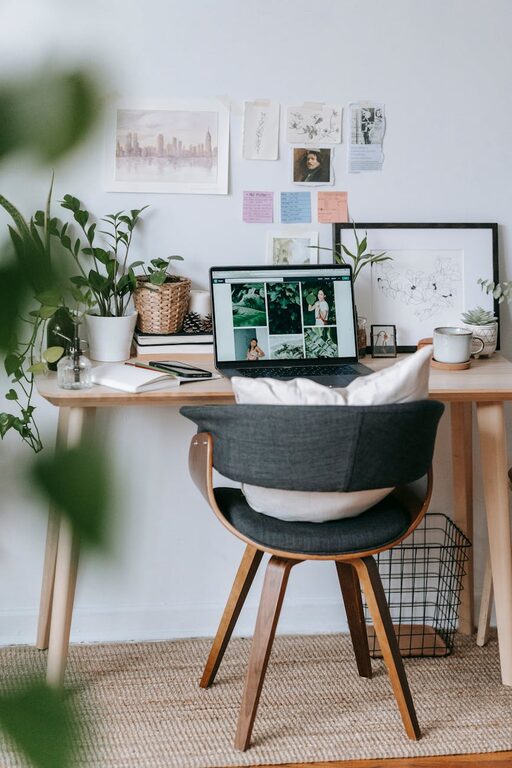
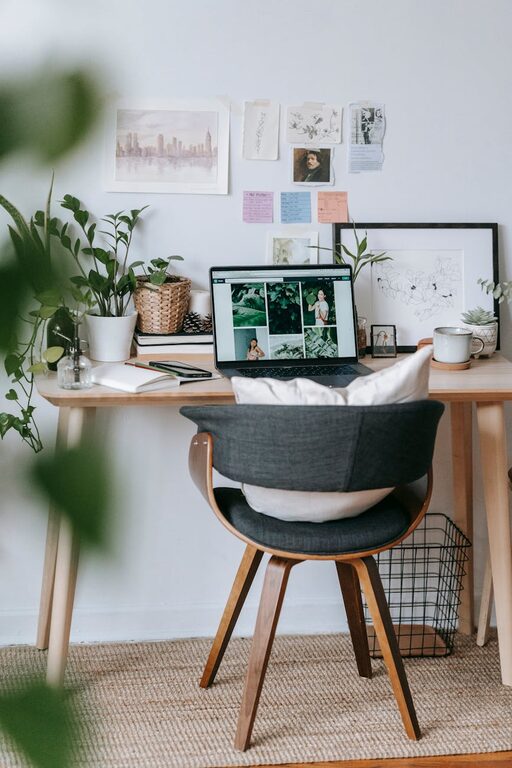
Adding personal touches creates a welcoming atmosphere that motivates you to spend time in your office.
– Soft lighting: Use desk lamps or string lights to avoid harsh overhead lighting.
– Plants: Indoor plants can improve air quality and add a calming natural element.
– Textiles: Include a cozy rug, throw blanket, or cushions to soften the space.
– Artwork: Hang pictures or prints that inspire or make you happy.
Organize for Efficiency
A cluttered workspace can distract and slow you down. Good organization helps you stay focused.
– Declutter regularly: Keep only essential items on your desk.
– Use organizers: Pencil holders, trays, and cable management solutions keep everything neat.
– Digital organization: Maintain tidy digital files and desktop to complement your physical space.
Set Boundaries to Maintain Work-Life Balance
Creating clear boundaries between work and home life is key when working from home.
– Dedicated workspace: Use your office area only for work to mentally switch between work and relaxation.
– Set work hours: Define specific times to start and finish work, and communicate these to family or roommates.
– Take breaks: Step away from your desk regularly for short breaks, meals, or stretching.
Optimize Technology and Tools
Reliable technology and tools improve productivity and reduce frustration.
– Good internet connection: A stable, fast internet is essential for virtual meetings and smooth workflow.
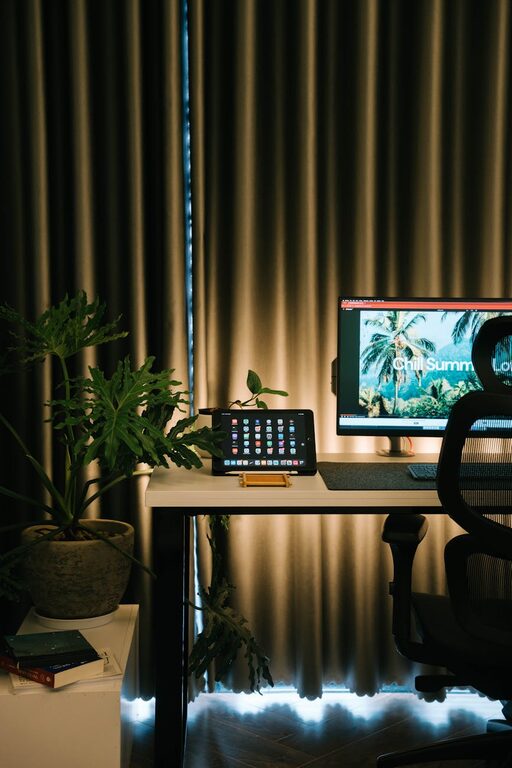
– Second monitor: If possible, add a second screen to increase screen real estate.
– Headphones: Noise-cancelling headphones can help you focus in noisy environments.
– Cable management: Use clips or sleeves to keep cords tidy and prevent tangling.
Control Noise and Distractions
Keeping distractions at bay can enhance your concentration.
– Soundproof materials: Use rugs, curtains, or foam panels to absorb noise.
– White noise machines: These can mask background sounds and improve focus.
– Signage: A simple sign reminding others not to disturb can help reduce interruptions.
Maintain Good Lighting
Proper lighting reduces eye strain and improves your overall work experience.
– Balanced lighting: Combine natural light, task lighting, and ambient lighting.
– Adjustable lamps: Desk lamps with adjustable brightness and direction help customize your light.
– Avoid glare: Position screens and lights to minimize reflective glare.
Keep Comfort in Mind
Physical comfort supports extended periods of work without fatigue.
– Temperature control: Use a fan, heater, or humidifier as needed.
– Footrest: A footrest can help maintain proper posture.
– Movement: Incorporate a standing desk or take standing breaks to reduce sitting time.
Refresh and Update Regularly
Your needs and tastes may change over time, so it’s good to refresh your space.
– Seasonal changes: Add or swap cozy elements based on the season.
– Declutter periodically: Reassess and remove items you no longer need.
– Incorporate new tools: Upgrade technology or furniture when possible.
—
By thoughtfully designing your home office with these tips, you can create a cozy and productive environment that supports your best work. Remember, the goal is to balance comfort and efficiency so you enjoy spending time in your workspace every day.
About the Author