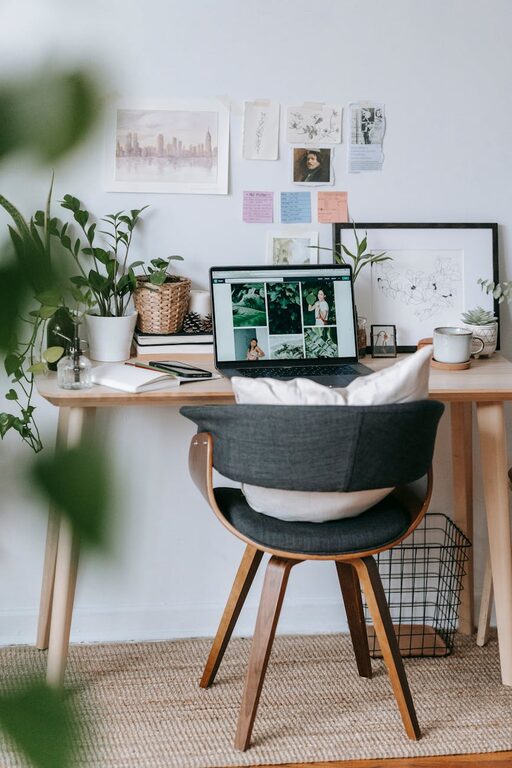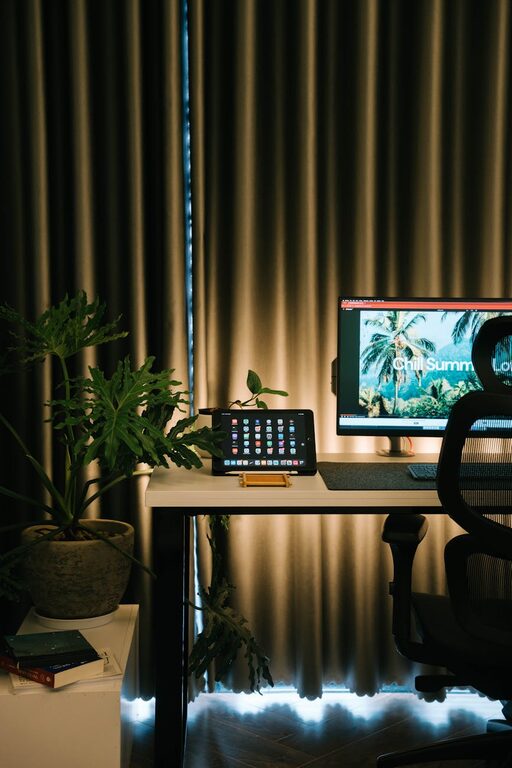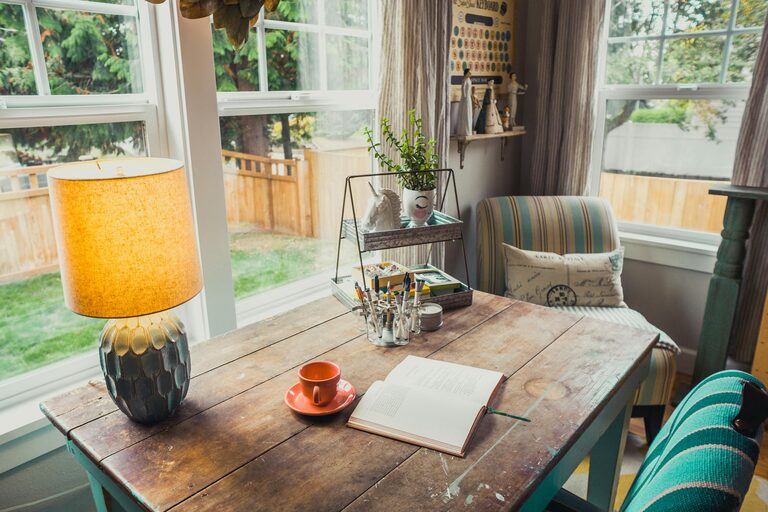
Working from home has become a common part of many people’s lives, and having a comfortable, relaxing workspace is essential to stay productive and happy. Creating an environment that suits both your work needs and your well-being can make a big difference in how you feel each day. Here are practical tips to help you design a home workspace that boosts productivity while keeping you comfortable and calm.
Choose the Right Location
The first step to setting up a relaxing home workspace is finding the right spot. Ideally, this should be a quiet area where distractions are minimal. If possible, avoid places with heavy foot traffic, loud noises, or unpleasant views.
– Natural Light: Select a location near a window to enjoy natural sunlight. Natural light is known to improve mood and focus.
– Ventilation: Good airflow keeps the space fresh and helps you stay alert.
– Privacy: Make sure the area allows you some privacy during meetings or calls.
Invest in Comfortable Furniture
Comfort matters when you spend hours sitting and working. The right furniture can reduce discomfort and improve your posture.
– Ergonomic Chair: Choose a chair that supports your lower back and allows your feet to rest flat on the floor.
– Adjustable Desk: If possible, use a desk that can be raised or lowered to suit your height or to alternate between sitting and standing.
– Desk Space: Ensure your desk is large enough to hold your computer, notebooks, and any tools you need without feeling cramped.
Organize Your Workspace
A cluttered workspace can hinder productivity and increase stress. Keeping your area tidy and organized encourages a clear mind.
– Storage Solutions: Use shelves, drawers, or filing cabinets to store documents and supplies.
– Cable Management: Use clips or sleeves to keep cables neat and out of sight.
– Daily Clean-up: Spend a few minutes at the end of every day clearing your desk.
Use Calming Colors and Decor
The colors and decor in your workspace can influence your mood and creativity.
– Soft Colors: Shades of blue, green, and beige are calming and promote focus.
– Personal Touches: Add photos, plants, or artwork that inspire you without distracting.
– Minimalist Approach: Avoid overcrowding your workspace with too many items.
Incorporate Greenery
Indoor plants provide a fresh atmosphere and have been shown to reduce stress and boost productivity.
– Easy-to-care Plants: Try low-maintenance options like snake plants, pothos, or succulents.
– Placement: Keep plants near your workspace, but not so close they interfere with your equipment.
Manage Lighting Effectively
Proper lighting reduces eye strain and creates a pleasant working environment.
– Task Lighting: Use a desk lamp with adjustable brightness to illuminate your work area.
– Avoid Glare: Position screens and lights to avoid reflections or direct glare.
– Balance: Combine natural light with warm artificial lights for a comfortable setting.
Minimize Noise and Distractions
Sounds and interruptions can break your focus, so controlling noise is key.
– Noise-Cancelling Headphones: Great for blocking out background noise.
– White Noise Machines: These can mask distracting sounds.
– Set Boundaries: Let household members know your work hours to reduce interruptions.
Add Comfort Essentials
Small comforts can improve your overall experience while working at home.
– Heating and Cooling: Use fans or heaters to keep your workspace at a comfortable temperature.
– Footrests: Help improve posture and reduce fatigue.
– Water and Snacks: Keep a bottle of water and healthy snacks nearby to stay energized.
Take Breaks and Move
Creating a relaxing workspace includes planning time to rest.
– Stretching: Incorporate short stretches or quick exercises during breaks.
– Change Scenery: Step outside or move to another room to refresh your mind.
– Mindfulness: Practice deep breathing or meditation to reduce stress.
Final Thoughts
Designing a relaxing home workspace is about balancing productivity needs with personal comfort. By choosing the right location, investing in ergonomic furniture, organizing your space, and adding calming colors and plants, you can create an environment that helps you focus and feel relaxed. Don’t forget to manage lighting and noise, add small comfort touches, and allow time for breaks. With these tips, your home workspace will support both your well-being and work goals.
About the Author