Creating a cozy and productive home workspace is essential for maintaining focus and comfort while working remotely or managing tasks from home. A well-designed workspace can help you stay motivated, reduce stress, and increase your overall efficiency. If you’re looking to improve your home office setup, here are some practical tips to get you started.
Choose the Right Location
Selecting the perfect spot in your home for a workspace is the first step. Ideally, this space should be quiet, well-lit, and free from distractions.
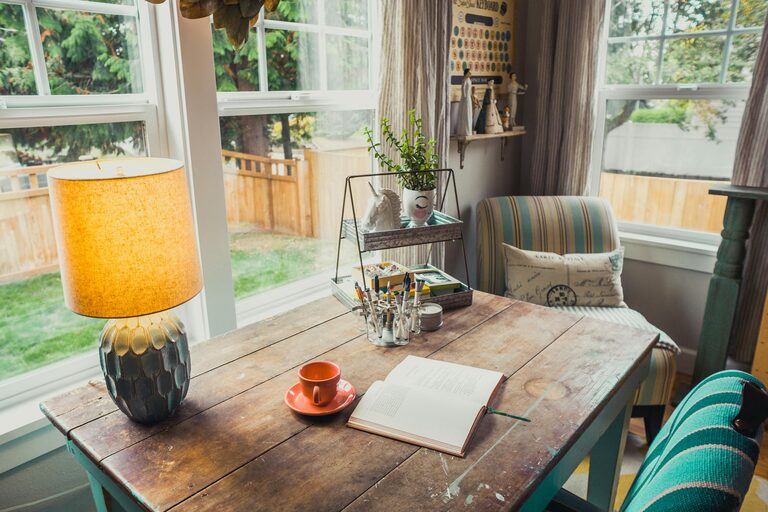
– Natural Light: Position your desk near a window to take advantage of natural light. This can boost your mood and reduce eye strain.
– Avoid High-Traffic Areas: Choose a corner or a room away from busy parts of the house to minimize interruptions.
– Separate Work from Relaxation: If possible, avoid working from your bed or couch. Creating a distinct work zone helps your mind switch between work and rest.
Invest in Comfortable and Functional Furniture
Comfort is key when you spend extended hours at your desk. The right furniture supports good posture and keeps you comfortable throughout the day.
– Ergonomic Chair: Choose a chair that supports your back and encourages good posture. Adjustable height and lumbar support are important features.
– Spacious Desk: Ensure your desk has enough surface area for your computer, documents, and other work essentials.
– Adjustable Desk Options: Consider standing desks or adjustable desks to alternate between sitting and standing.
Organize and Declutter Your Space
An organized workspace can help reduce distractions and improve focus.
– Use Storage Solutions: Shelves, drawers, and organizers keep supplies tidy and accessible.
– Limit Desk Items: Keep only the daily essentials on your desk to minimize clutter.
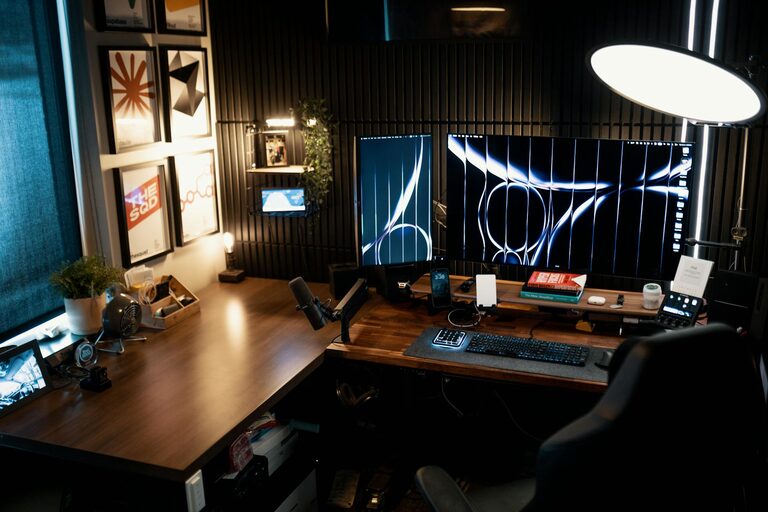
– Cable Management: Use clips or cable boxes to keep cords out of the way.
Personalize Your Workspace
Adding personal touches makes your workspace inviting and motivating.
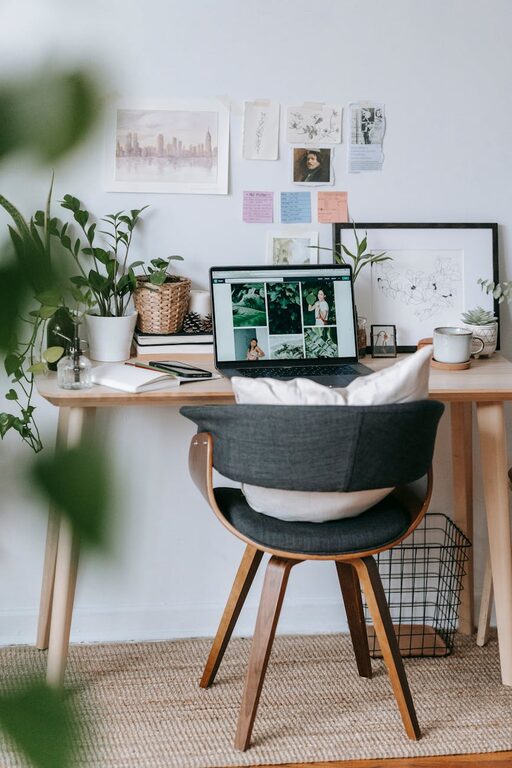
– Decorate with Plants: Indoor plants can brighten up the space and improve air quality.
– Add Artwork or Photos: Choose images that inspire or relax you, but avoid too many that could become a distraction.
– Use a Comfort Item: A cozy blanket, a favorite mug, or a scented candle can create a welcoming atmosphere.
Optimize Lighting
Good lighting reduces eye strain and improves alertness.
– Layer Your Lighting: Use a combination of natural light, overhead lighting, and a task lamp.
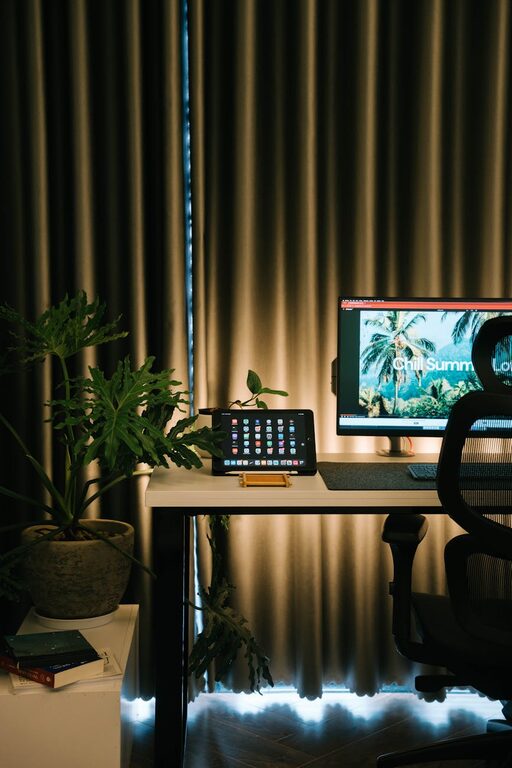
– Choose Warm Light: Warm-toned bulbs create a cozy ambiance, while cooler lights can help with focus during work.
– Avoid Glare: Position screens to avoid reflections and glare from windows or lights.
Minimize Noise Distractions
A quiet environment helps maintain concentration.
– Noise-Canceling Headphones: These can block out background noise and help you focus.
– Background Music or White Noise: Some people find that soft music or white noise improves concentration.
– Soundproofing: Adding rugs, curtains, or foam panels can reduce echo and external noises.
Establish a Routine
A consistent routine helps your mind get into work mode.
– Set Regular Hours: Define your start and end times to create structure.
– Take Breaks: Short breaks every hour can refresh your brain and reduce fatigue.
– Daily Tidying: Spend a few minutes at the end of each day organizing your desk.
Keep Technology Up to Date
Using reliable and modern technology improves productivity and reduces frustration.
– Reliable Internet: Ensure your internet connection is strong and stable.
– Quality Equipment: Invest in a good keyboard, mouse, and monitor for comfort and efficiency.
– Backup Solutions: Regularly back up your work to avoid data loss.
Incorporate Wellness Elements
Maintaining well-being is part of a productive work environment.
– Good Ventilation: Keep the air fresh to stay alert.
– Stay Hydrated: Keep a water bottle nearby.
– Movement: Incorporate stretching or short walks into your day.
Conclusion
Designing a cozy and productive home workspace isn’t just about aesthetics—it’s about creating an environment where you feel comfortable, focused, and motivated. With thoughtful location choices, ergonomic furniture, organized surroundings, and personal touches, your home office can become your favorite place to work. Start small by implementing one or two of these tips, and gradually create a space that supports your productivity and well-being every day.
About the Author