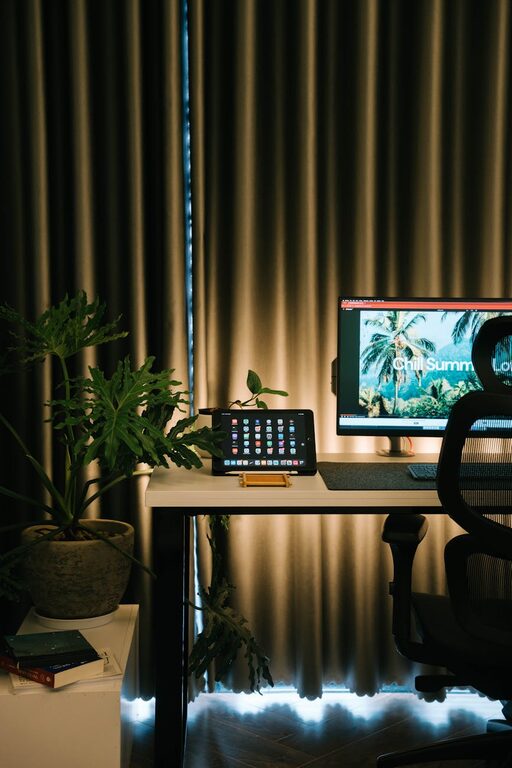
Creating an organized and productive home workspace is essential for maintaining focus and efficiency when working or studying from home. A well-designed area can help reduce distractions, improve your mood, and keep you motivated throughout the day. Whether you are setting up a new workspace or looking to improve your current one, here are practical tips to help you create a clutter-free and inviting environment.
Choose the Right Location
Consider Natural Light
Whenever possible, select a spot with plenty of natural light. Sunlight can boost your mood and energy, helping you stay alert and engaged. Position your desk near a window to take advantage of daylight, but avoid glare on computer screens by adjusting blinds or curtains as needed.
Find a Quiet Space
Noise and interruptions can disrupt your focus. Try to set up your workspace in a quieter corner of your home, away from high-traffic areas or noisy appliances. If sounds are unavoidable, consider using noise-cancelling headphones or white noise apps to help drown distractions.
Invest in Comfortable and Functional Furniture
Ergonomic Chair and Desk
Comfort is key for long hours at your desk. Choose an ergonomic chair that supports your back and allows your feet to rest flat on the floor. Your desk should offer enough surface area to organize your essentials without feeling cramped.
Adjustable Desk Options
If possible, consider a desk with adjustable height. A sit-stand desk can encourage movement, promote better posture, and reduce fatigue during the workday.
Organize Your Supplies and Equipment
Use Storage Solutions
Keep your desk surface clear by using organizers like trays, bins, or drawer dividers. Store frequently used items within reach and tuck away less-used supplies to reduce clutter.
Cable Management
Tangled cords can create a messy look and pose safety hazards. Use cable clips, ties, or sleeves to keep wires labeled and neatly bundled.
Personalize Without Overcrowding
Add Inspiring Decorations
A few personal touches, such as photos, plants, or artwork, can make your workspace more inviting and motivational. Stick to minimal and meaningful decor to prevent distractions.
Incorporate Greenery
Plants not only improve air quality but also add a calming natural element to your space. Choose low-maintenance plants like succulents or pothos for easy care.
Establish Effective Work Habits
Set Clear Boundaries
Define your workspace as your work zone to mentally separate personal and professional time. Close the door or use a room divider if needed.
Keep a Daily To-Do List
Write down tasks to stay organized and focused on priorities. Checking off completed items can boost motivation and satisfaction.
Take Breaks Regularly
Avoid burnout by taking short breaks every 60-90 minutes. Use this time to stretch, hydrate, or step outside for fresh air.
Maintain Your Workspace Routinely
Daily Clean-Up
Spend a few minutes at the end of each day tidying your desk. Put away papers, dispose of trash, and prepare your area for the next day.
Weekly Deep Clean
Once a week, do a more thorough clean by dusting surfaces, wiping down electronics, and organizing paperwork.
Use Technology Wisely
Productivity Apps
Leverage apps and tools to manage your schedule, notes, and tasks efficiently. Choose software that syncs across devices for seamless workflow.
Minimize Screen Clutter
Close unused browser tabs and keep your desktop clean to reduce distractions and improve focus.
—
By thoughtfully designing your home workspace and cultivating good habits, you can create an environment that supports productivity and well-being. Start with small changes and build up to a space that feels comfortable and inspiring every time you sit down to work.
About the Author