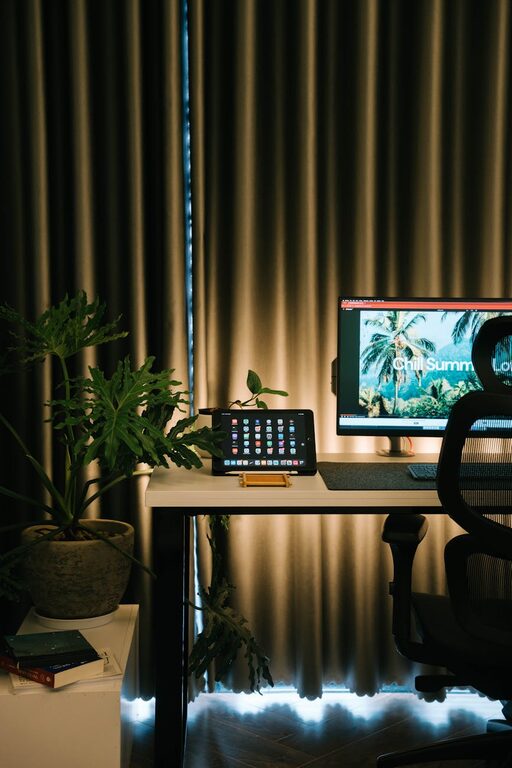

Creating a well-organized home workspace is essential for productivity and comfort, especially as more people work or study from home. A clutter-free environment helps to reduce distractions and makes it easier to focus on your tasks. Below, we’ll explore practical tips to help you design and maintain an efficient workspace that suits your needs.
Why a Clutter-Free Workspace Matters
When your workspace is messy, it can lead to stress and decreased productivity. Clutter can slow you down because you spend time looking for items or trying to figure out what to prioritize. On the other hand, an organized area promotes clear thinking and helps you stay motivated throughout the day.
Assess Your Workspace Needs
Before organizing, take a moment to consider what you really need in your home office:
– What tasks do you perform regularly?
– Which tools and supplies are essential?
– How much space do you have available?
– Do you require specialized equipment (like printers or multiple monitors)?
This assessment will help you avoid keeping unnecessary items, which is key to preventing clutter.
Set Up Your Workspace Strategically
Choose the Right Location
Pick a separate, quiet corner if possible — somewhere you can focus without distractions. Natural light is a bonus, so try to position your desk near a window. If that’s not an option, good lighting is crucial to reduce eye strain.
Invest in Quality Furniture
A comfortable chair and spacious desk can make a big difference. Make sure your chair supports good posture and that your desk allows enough space for your computer and any paperwork.
Organize Tools and Supplies
Use Storage Solutions
– Drawer organizers: Keep pens, paper clips, and other small items neatly sorted.
– Shelving units: Store books, binders, or decorative items to keep surfaces clear.
– File organizers: Sorted files and documents help you find paperwork quickly.
– Cable management: Use clips or sleeves to prevent cords from tangling.
Keep Frequently Used Items Close
Place your most-used supplies within arm’s reach to minimize interruptions. Store less-used items farther away to maintain a clean surface.
Create a System for Paperwork
Paperwork is often a major source of clutter. Here are ways to manage it efficiently:
– Go digital where possible: Scan important documents to reduce physical copies.
– Use labeled folders or trays: Separate incoming, ongoing, and completed work.
– Set a regular schedule to sort papers: Weekly cleanup helps you avoid overwhelming piles.
Maintain a Clean Surface
Try to keep your desk as clear as possible at the end of each day. Only leave items out that you need for your current projects. This habit makes starting work each morning easier and more inviting.
Personalize Your Space Mindfully
Personal touches can make your workspace more enjoyable, but avoid overdecorating. A plant, a photo, or a piece of art can add warmth without creating clutter.
Develop Good Workspace Habits
– Set daily goals: A clear plan reduces random clutter buildup.
– Take regular breaks: Moving around can also help you stay organized mentally.
– Declutter regularly: Spend a few minutes before or after work tidying items.
Optimize Digital Organization Too
Your physical workspace isn’t the only area to keep organized. Clean up your desktop files and email inbox regularly. Use folders and naming conventions that make finding files quick and easy.
Conclusion
A clutter-free and efficient home workspace is within reach with thoughtful planning and consistent habits. By assessing your needs, organizing smartly, and maintaining your space, you can create an environment that supports productivity and well-being. Implement these tips one step at a time, and enjoy the benefits of a clean, inviting workspace.
About the Author